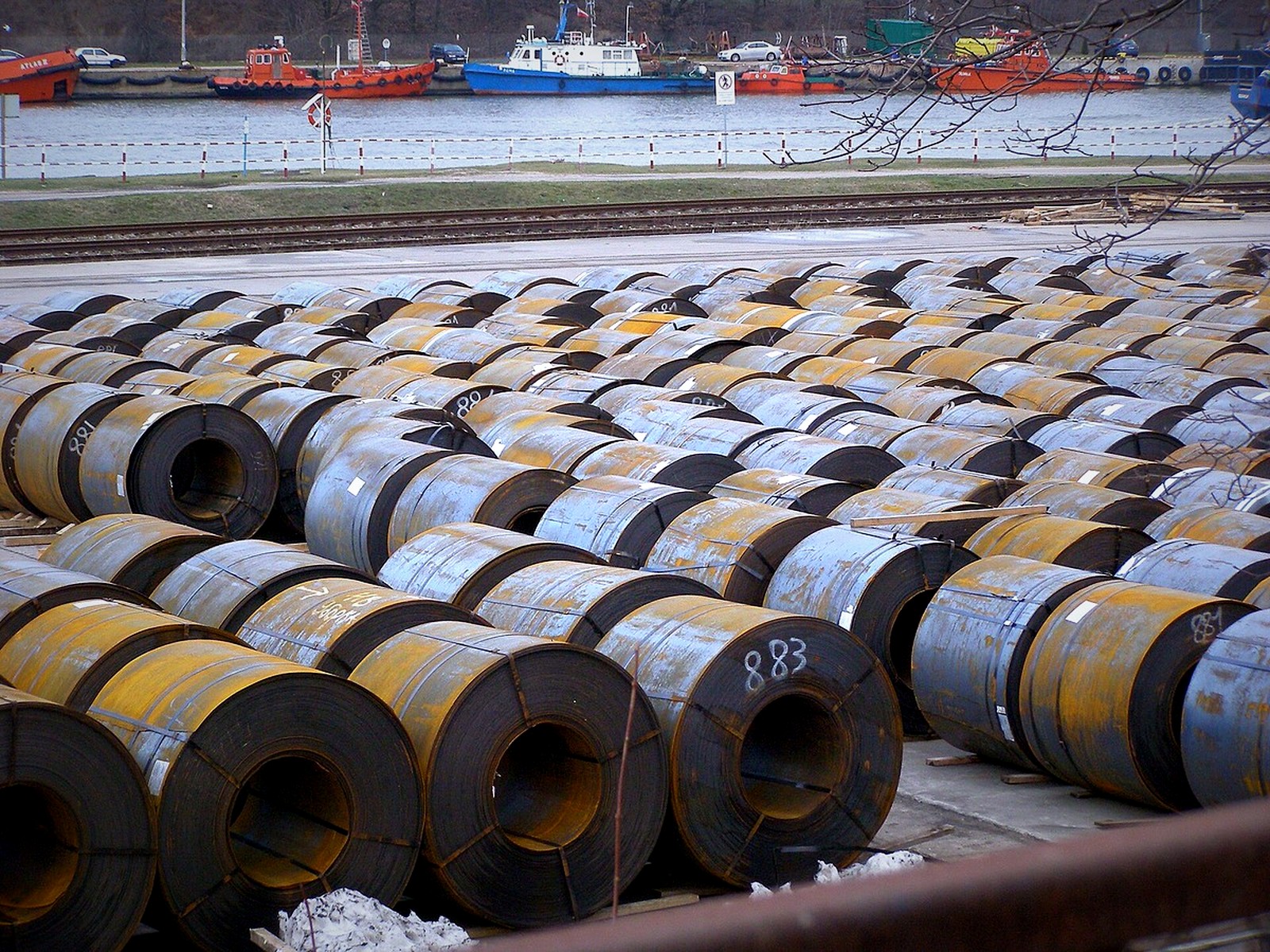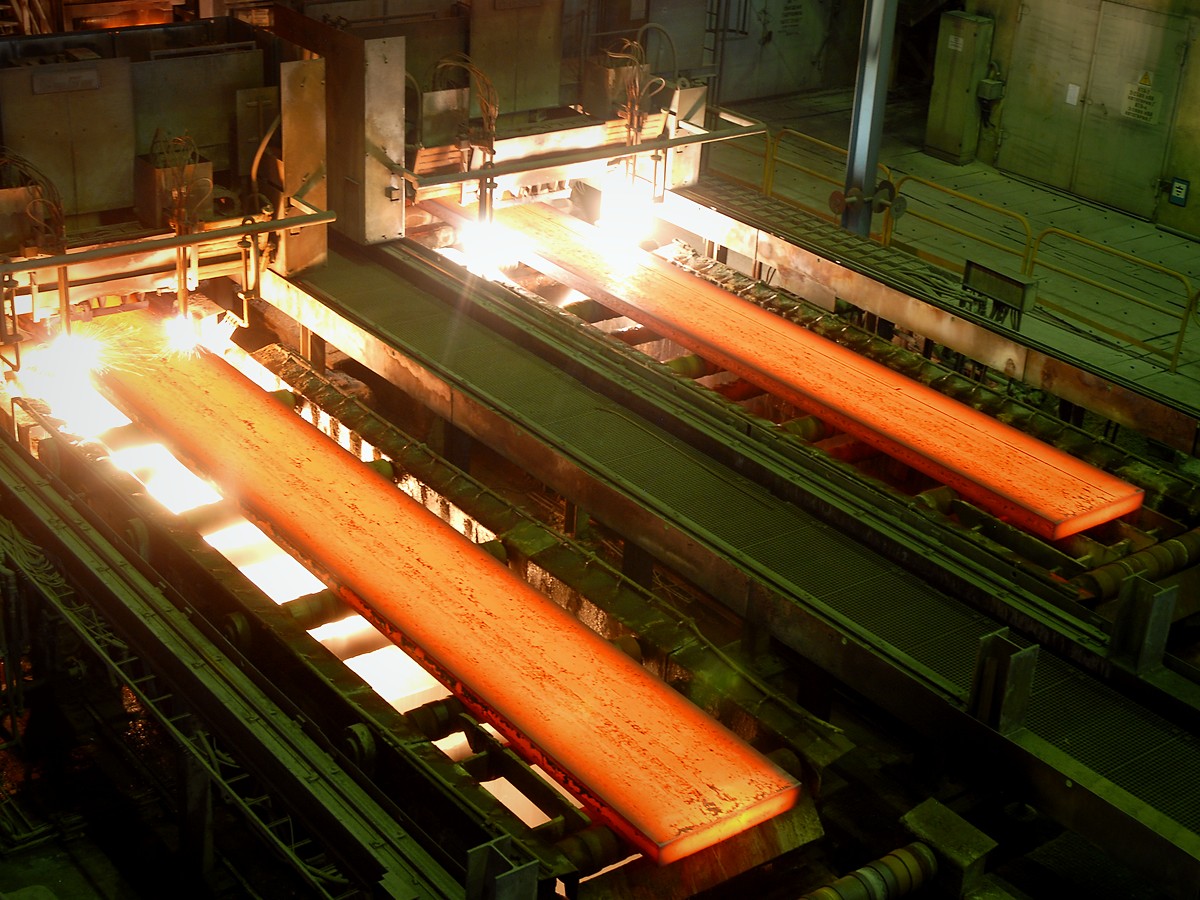
Slab
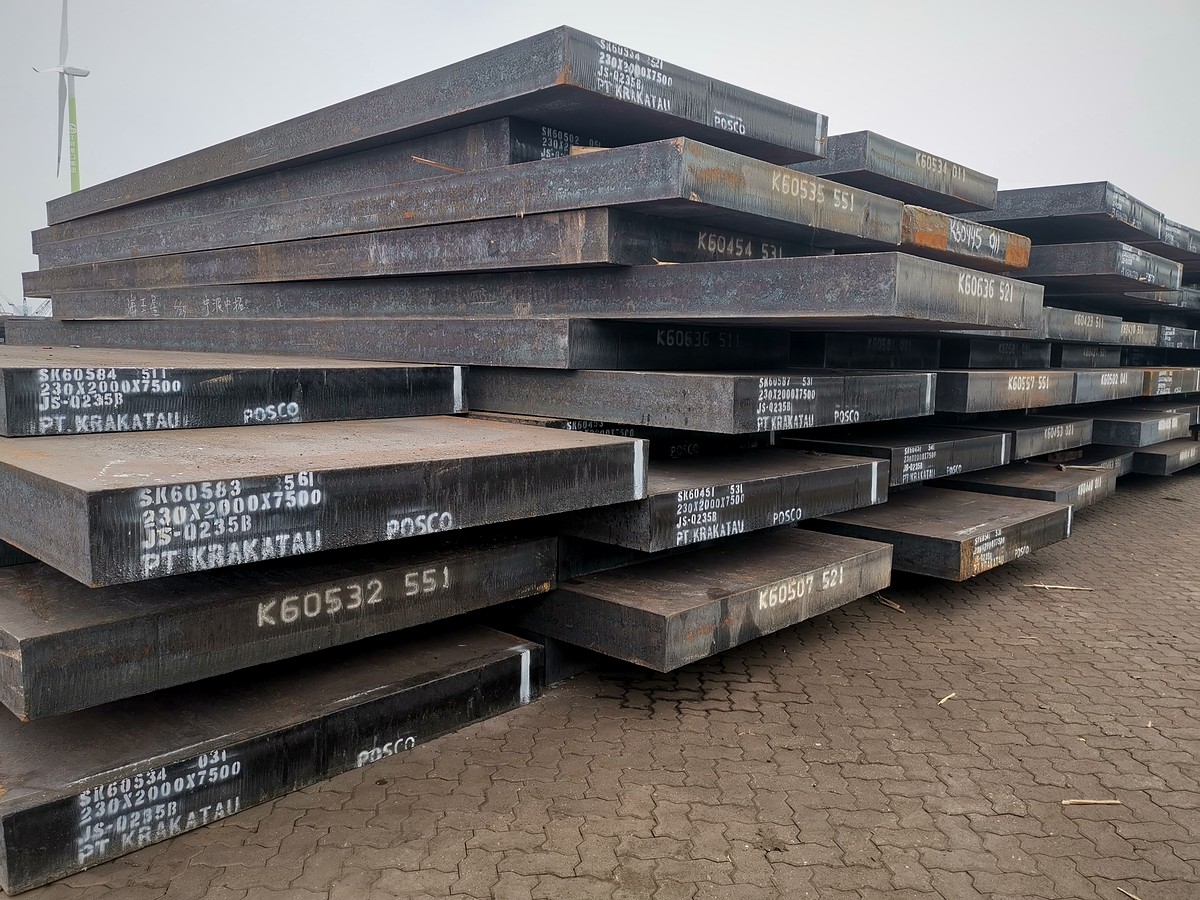
Steel Slab
Continuously cast slabs are used for hot rolled coil and plate production, matched to mill rolling line requirements by thickness, width and steel grade.
Thickness 150–250 mmWidth 900–2100 mm
Leveraging advantaged supply channels and participating deeply in the steel supply chain, we work with a number of Chinese mills and import large volumes of iron ore and steel billet year-round, pursuing win-win development.
We arrange imports year-round with stable supply and controllable quality, and can schedule deliveries in batches to match mill production schedules.
Slab, billet, HBI, pellets, concentrate, pig iron and chrome ore — covering the main raw material requirements of the steelmaking and rolling stages.
Continuously cast slabs are used for hot rolled coil and plate production, matched to mill rolling line requirements by thickness, width and steel grade.
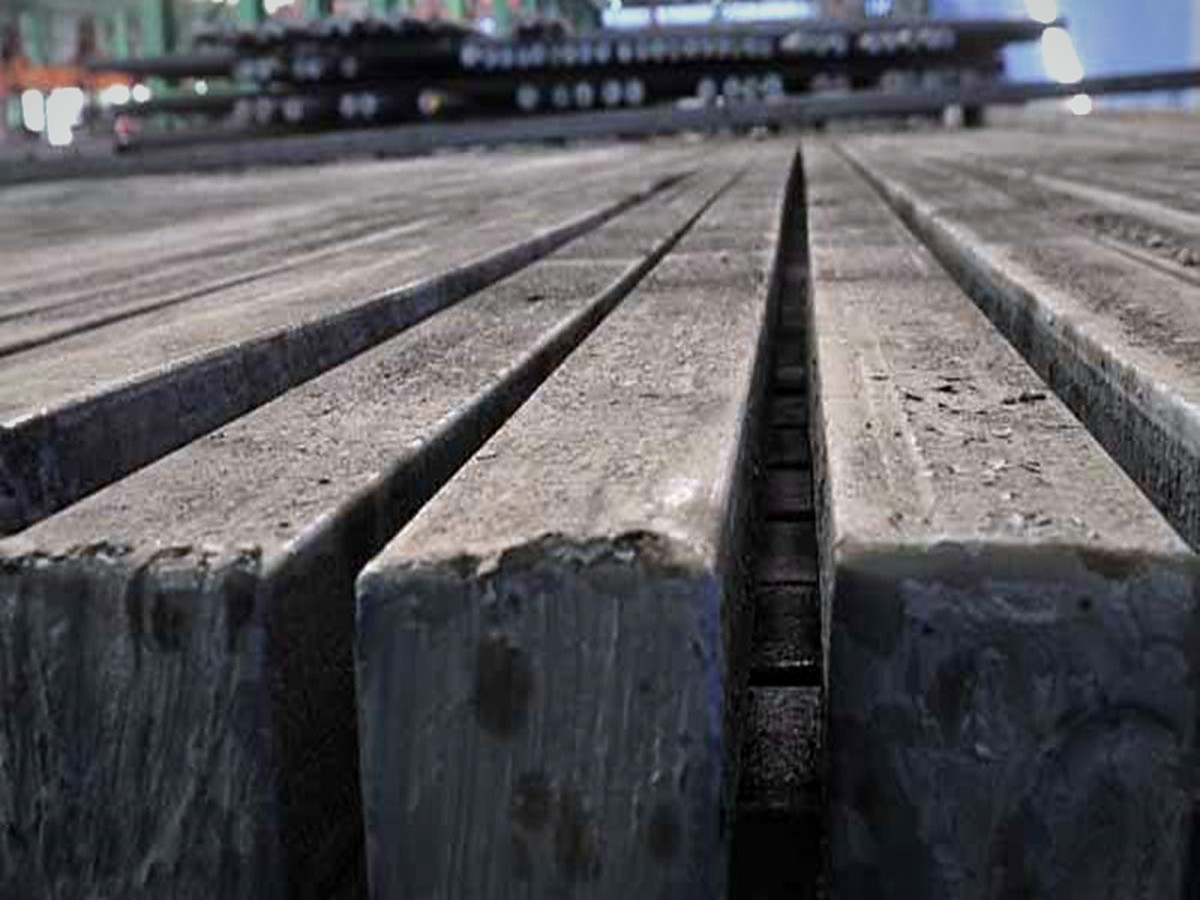
Continuously cast billets are rolled into rebar, wire rod and sections, and are a year-round purchase item for a number of domestic mills.
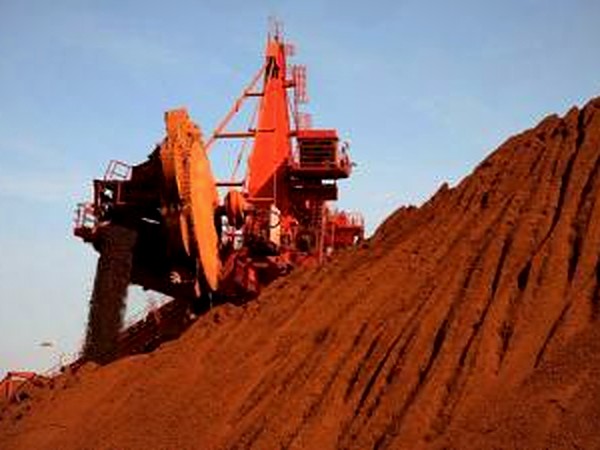
Lump ore and sintering ore with stable supply channels; grade assay reports supplied with each shipment and long-term agreements available.
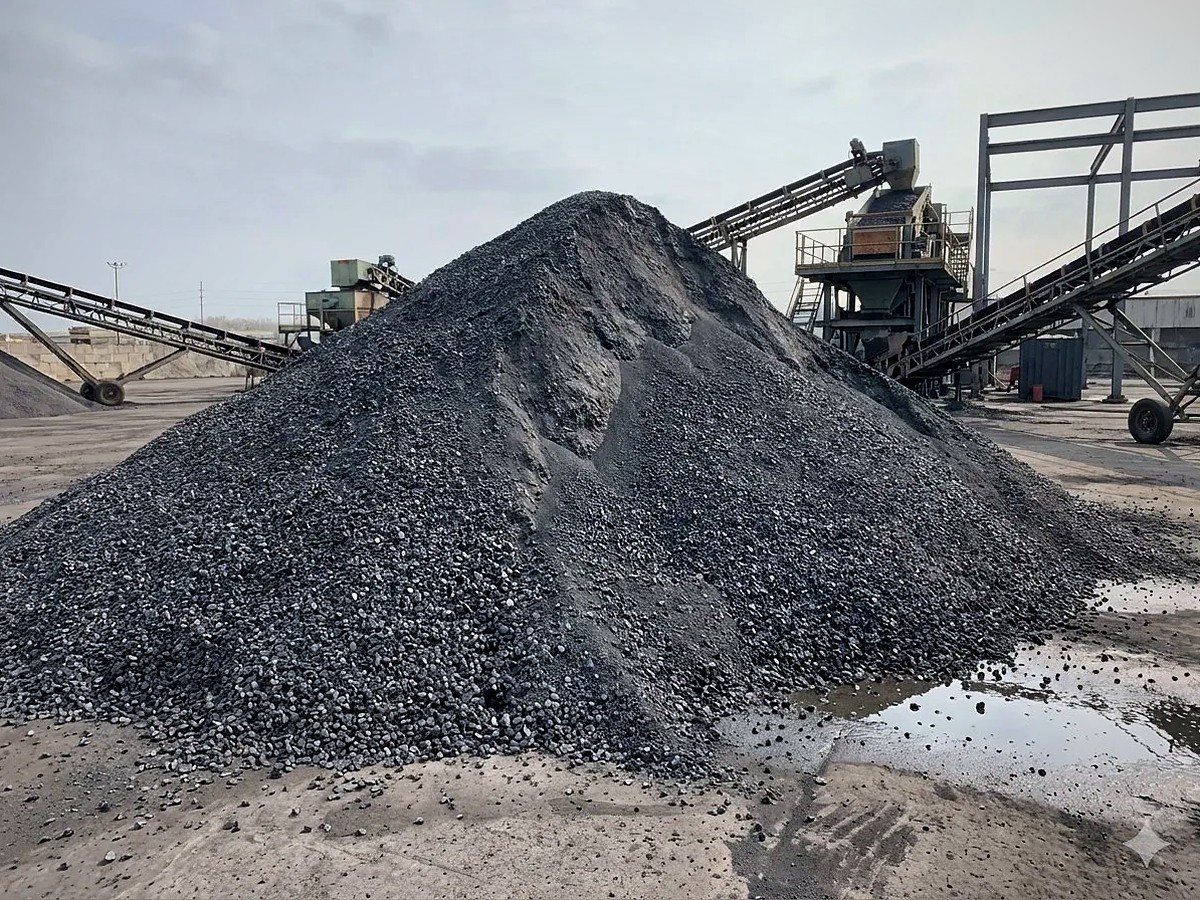
Iron ore concentrate is a main raw material for sintering and pelletising, with stable grade and controllable impurities, assayed per batch.
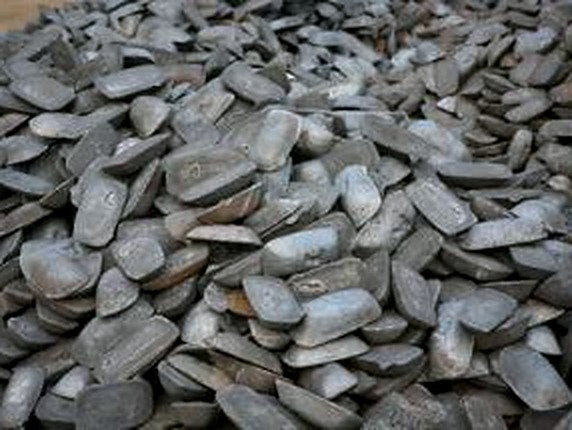
Steelmaking and foundry pig iron for EAF and BOF charging and the foundry industry, with assay certificates provided per batch.
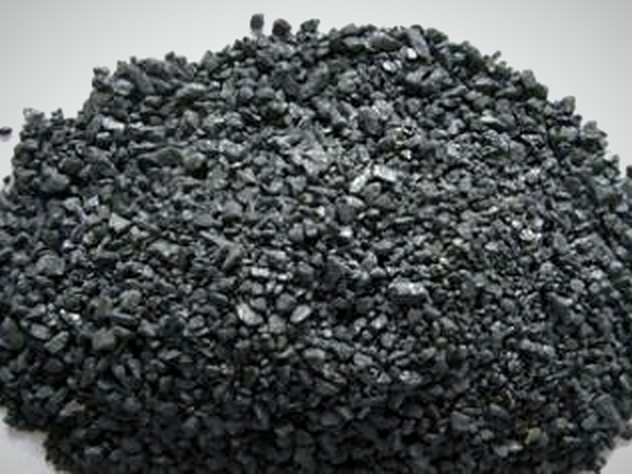
Metallurgical-grade chrome ore for ferrochrome smelting and stainless steel production; sourcing and shipping schedules can be arranged to customer requirements.
Slabs and billets are the direct products of continuous casting and the starting material for rolling. After reheating, slabs are rolled into hot rolled coil and plate; billets are rolled into rebar, wire rod and sections. We arrange imports year-round and can match cross-section dimensions and steel grades to a mill's rolling line configuration.
Chemical composition and mechanical property reports are available for every batch, and third-party re-inspection can be arranged where necessary to ensure conformity with mill technical requirements.
| Project | Steel Slab | Square Billet |
|---|---|---|
| Cross-Section | Thickness 150–250 mm Width 900–2100 mm | 150×150 / 165×165 mm Other Sections Available on Request |
| Cut-to-Length | 4 – 12 m | 6 – 12 m |
| Unit Weight | 5 – 30 t | 1 – 3 t |
| Common Grades | Q235B / Q355B / SS400 | Q235 / Q355 / 20MnSi |
| Delivery Condition | Hot charging / cold; delivered after surface conditioning | |
| Inspection Documents | Chemical composition certificate and mechanical property report; third-party re-inspection available | |
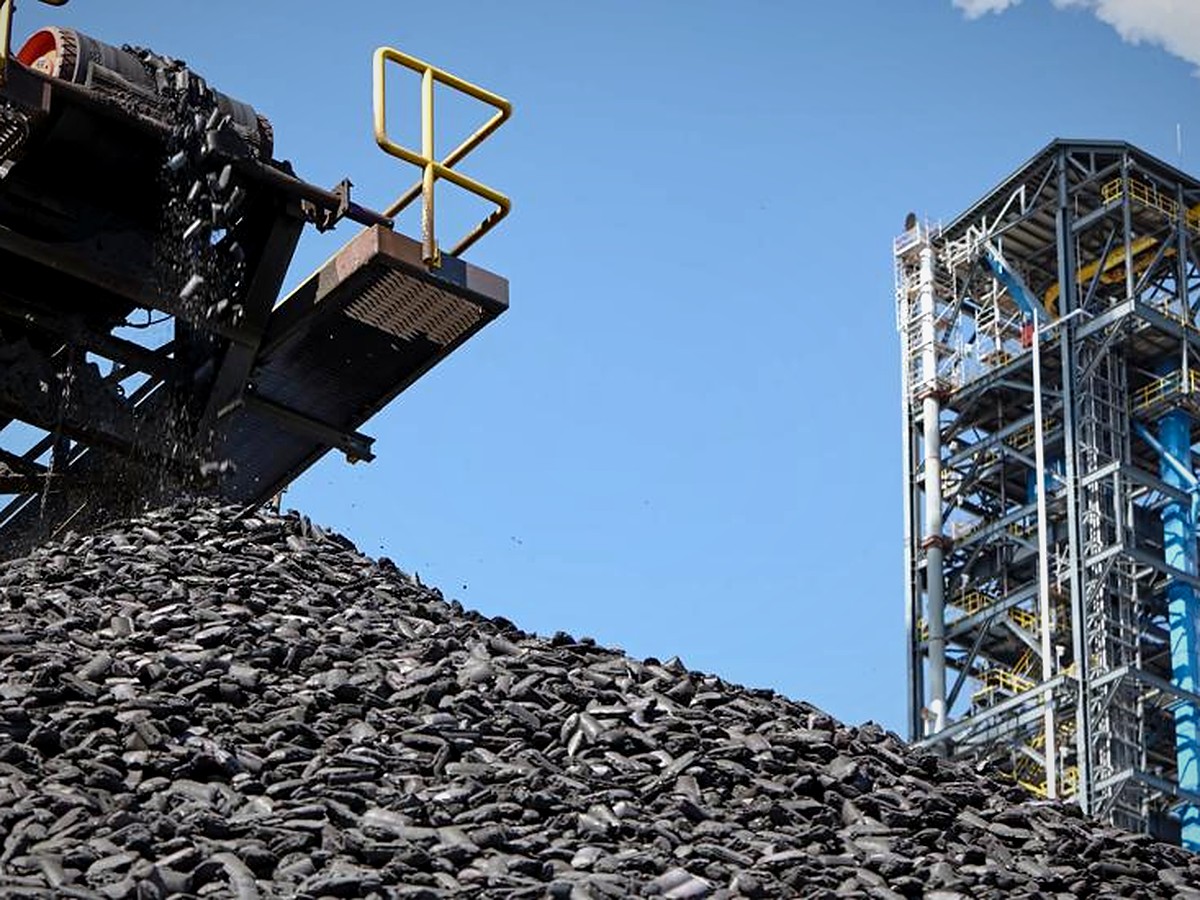
Hot Briquetted Iron (HBI) is direct reduced iron that has been hot-briquetted. With high metallisation and consistent composition it is a premium clean charge for EAF steelmaking, and can also be used in BOF and blast furnace charging to dilute residual elements in scrap.
Compared with DRI, HBI is easier to ship and store long term, is less prone to re-oxidation, and is well suited to long-distance inter-regional supply.
| Project | Typical Indicators | Notes |
|---|---|---|
| Total Iron (TFe) | 88% – 92% | Depends on origin and process |
| Metallisation | ≥ 90% | Direct reduction process indicator |
| Briquette Size | Approx. 90×50×35 mm | Pillow-shaped briquettes |
| Bulk Density | Approx. 2.4–2.6 t/m³ | Suitable for bulk shipment |
| Main Applications | Premium EAF charge; BOF and blast furnace burden | |
| Packaging & Shipping | Bulk vessel shipment; assay report per batch | |
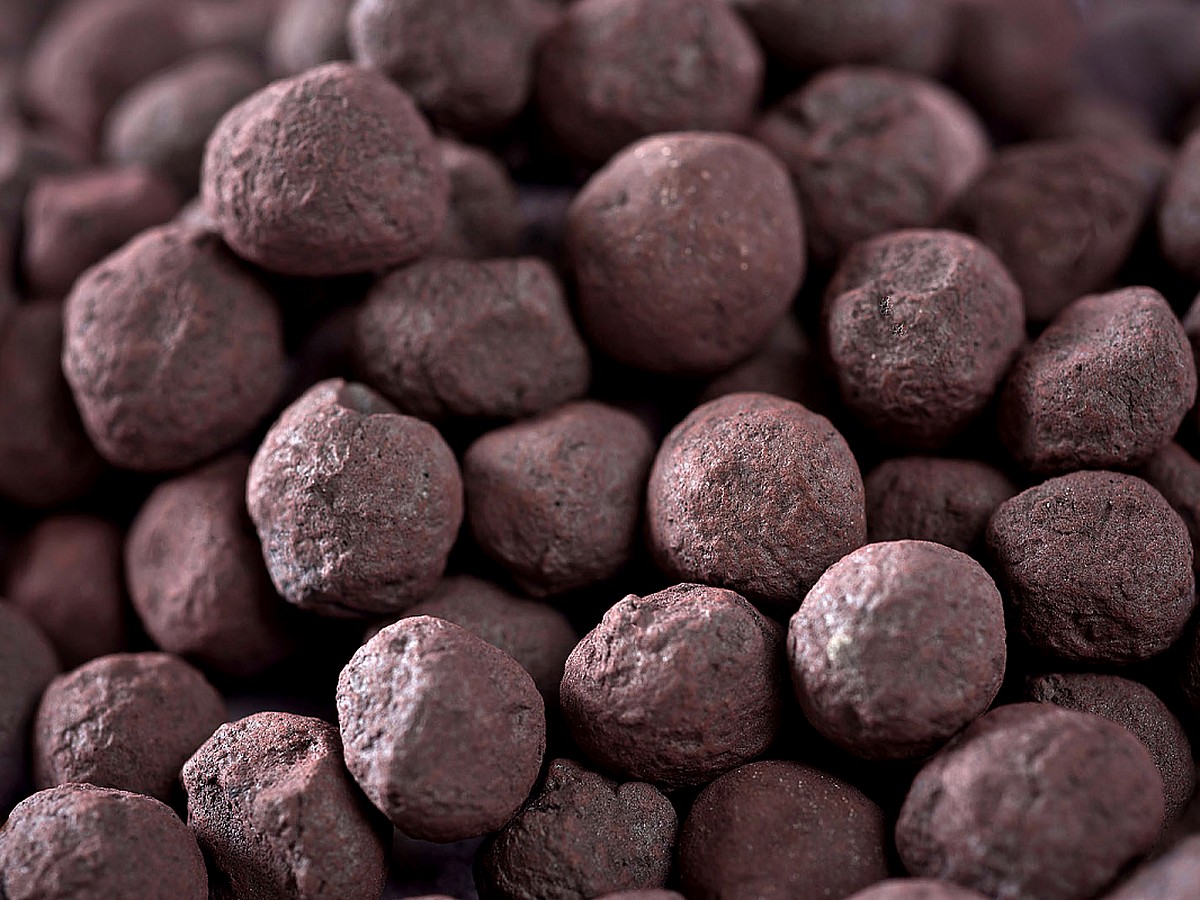
Iron ore pellets are made by balling and indurating iron ore concentrate. With uniform size, high strength and good permeability they are a premium iron-bearing burden for blast furnaces and direct reduction. Concentrate is used for sintering and pelletising, and its grade, particle size and impurity content directly affect ironmaking economics.
When sourcing we focus on controlling total iron grade, silica and alumina content, and harmful elements such as sulphur and phosphorus, ensuring a match with the mill's ore blending scheme.
| Project | Iron Ore Concentrate | Iron Ore Pellets |
|---|---|---|
| Total Iron (TFe) | 62% – 68% | 63% – 67% |
| SiO₂ | ≤ 5.5% | ≤ 6.0% |
| Al₂O₃ | ≤ 2.5% | ≤ 2.0% |
| Sulphur (S) / Phosphorus (P) | Low Sulphur & Phosphorus | Low Sulphur & Phosphorus |
| Particle Size | 200 mesh passing rate ≥ 70% | 8 – 16 mm |
| Main Applications | Sintering and pelletising feed | Blast furnace burden; direct reduction |
| Inspection | Assay report per batch; third-party inspection supported | |
Pig iron is the primary product of blast furnace smelting and is classified by use into steelmaking and foundry pig iron. Steelmaking pig iron serves as metallic charge for EAF and BOF, used to adjust the carbon content and temperature of molten steel; foundry pig iron is used in the casting industry to produce various castings.
| Grade | Category | Typical Use |
|---|---|---|
| L8 / L10 | Steelmaking Pig Iron | EAF and BOF steelmaking charge |
| Z14 / Z18 | Foundry Pig Iron | Grey iron and ductile iron castings |
| Q10 / Q12 | Pig Iron for Ductile Iron | Ductile iron pipes and castings |
| Unit Weight | Approx. 5–12 kg, cast in ingot moulds | |
| Packaging | Bulk or jumbo bags; assay certificate per batch | |
Chrome ore is mainly used to smelt ferrochrome, which in turn is used in stainless and special steel production. We handle metallurgical-grade chrome ore, sourcing to customer requirements on grade and particle size and arranging shipping and arrival schedules.
| Project | Typical Indicators | Notes |
|---|---|---|
| Cr₂O₃ | 40% – 46% | Metallurgical Grade |
| Cr / Fe Ratio | ≥ 2.5 : 1 | Affects ferrochrome smelting economics |
| SiO₂ | ≤ 8% | Depends on origin |
| Particle Size | Lump ore 10–150 mm Fines 0–10 mm | Selected according to the smelting process |
| Main Applications | Ferrochrome smelting; stainless and special steel production | |
| Shipping | Bulk vessel shipment with assay report | |
From resource channel to port delivery, a dedicated specialist follows every step.
From requirement confirmation to port delivery, a dedicated specialist follows every step to ensure transparency and controllable pace.
Raw material quality directly affects ironmaking and steelmaking economics, so grade and impurities are core control points from the sourcing stage.
We organise sampling and assaying per batch, focusing on total iron grade, silica, alumina and harmful elements such as sulphur and phosphorus. For long-term partner mills we can reverse-match sources to their blending scheme, reducing on-site adjustment costs.
In addition to the producer's assay report, customers may request inspection by third parties such as SGS, BV or CCIC at the loading or discharge port; the weight and quality certificates issued can serve as the basis for settlement.
| Stage | Details | Documents |
|---|---|---|
| Loading Port Inspection | Sampling, sample preparation, moisture and chemical analysis | Loading port quality and weight certificates |
| Third-Party Inspection | Per customer-designated body; at loading or discharge port | SGS / BV / CCIC Certificates |
| Discharge Port Re-Inspection | Mill sampling and verification on arrival | Mill assay certificate |
| Discrepancy Handling | Negotiated per the quality and weight clauses of the contract | Settlement Memorandum |
Besides raw steel material, we also handle steel products, metallurgical products and chemical products.